Get Tree Canopy Thinning
Tree Canopy Thinning services help property owners improve safety, reduce overgrowth, and manage tree health through skilled work by local contractors.
Tree canopy thinning services are a practical solution for property owners looking to improve the health and safety of their landscape. Properly managed canopies can reduce the risk of falling branches, improve air circulation, and promote overall tree vitality. Whether for aesthetic reasons, safety concerns, or to better manage sunlight and shade, exploring local contractors who specialize in canopy thinning can help ensure the work is done effectively and appropriately for the specific needs of the property.
Property owners in the area may consider canopy thinning as part of their planning projects to maintain healthy trees and enhance outdoor spaces. Comparing options among local service providers allows for informed decisions based on experience, reputation, and expertise. Continuing to read can provide valuable insights into how local contractors can assist with planning and executing tree canopy thinning tailored to individual property requirements.
- Tree Canopy Thinning - when overgrown branches threaten to block sunlight or cause safety concerns.
- Tree Canopy Thinning - to improve air circulation and reduce the risk of disease in dense foliage.
- Tree Canopy Thinning - in preparation for storm season to lessen wind damage and limb breakage.
- Tree Canopy Thinning - when managing the growth of trees near structures to prevent damage or interference.
- Tree Canopy Thinning - to promote healthier growth and maintain the aesthetic appearance of landscaped areas.
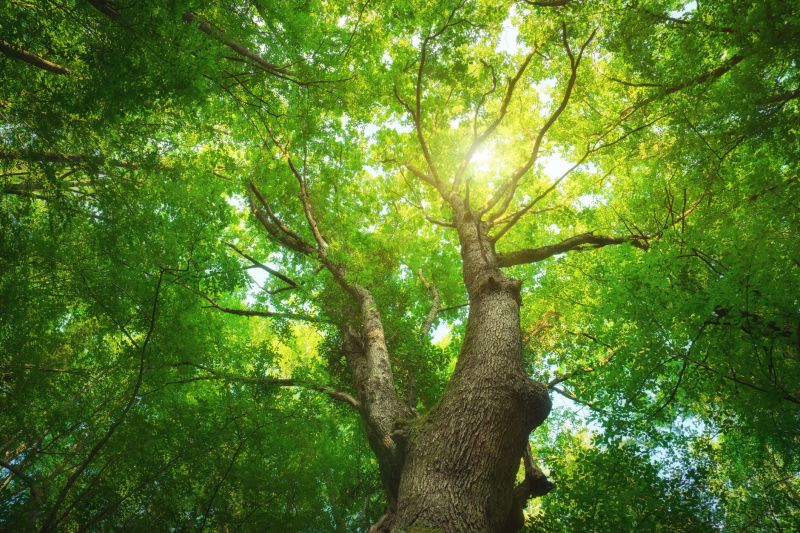
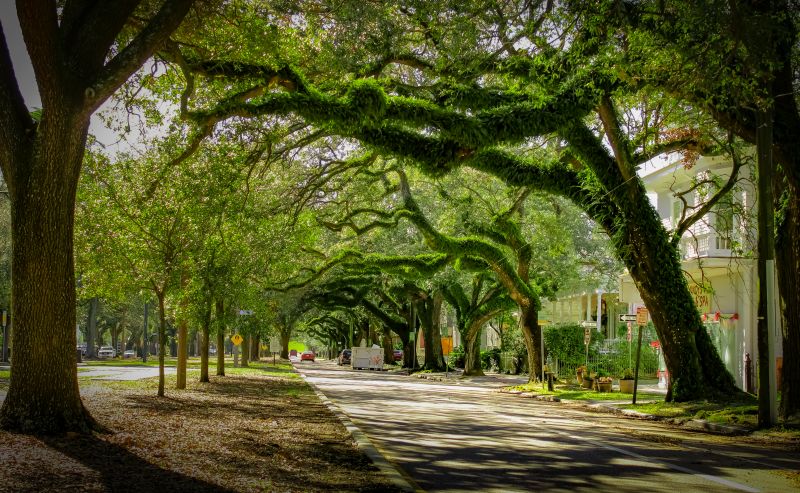
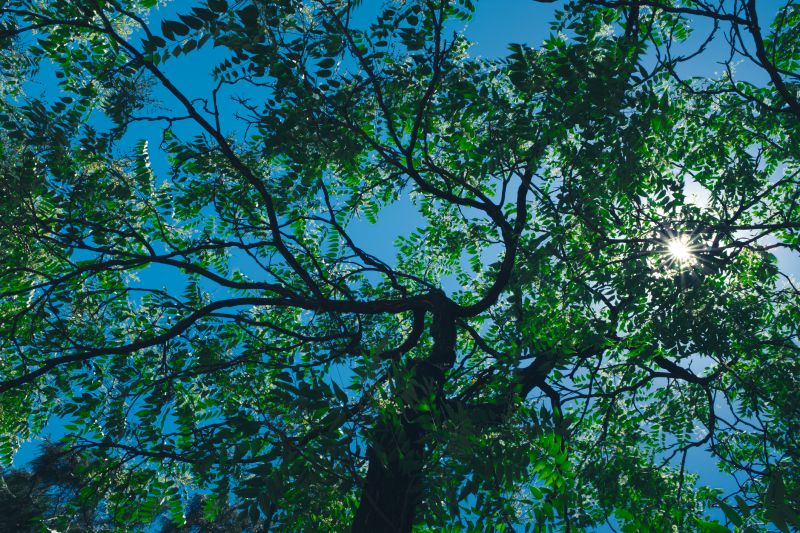
Tree canopy thinning services involve carefully reducing the density of branches and foliage in overgrown or crowded trees. This process helps improve the overall health and structure of the trees by allowing better airflow and sunlight penetration. Skilled service providers use specialized techniques to selectively prune branches, ensuring the tree remains balanced and aesthetically pleasing while reducing excess weight and density. Proper canopy thinning can prevent branches from becoming weak or prone to breaking, especially during storms or high winds.
This service is particularly helpful for addressing problems caused by overly dense canopies. When trees have too many branches, they can become vulnerable to disease, pest infestations, or structural issues. Excess foliage can also block sunlight from reaching lawns, gardens, or other plants underneath, leading to uneven growth or shade-related problems. Additionally, thinning can reduce the risk of falling branches, which is important for property safety and minimizing damage to nearby structures or vehicles.
Properties that typically benefit from tree canopy thinning include residential yards with mature trees, commercial properties with landscaped grounds, and public parks. Homeowners may seek this service to improve their view, enhance the health of their trees, or prevent potential hazards. Commercial property managers often use canopy thinning to maintain a safe environment for visitors and employees while preserving the aesthetic appeal of the landscape. Public parks and community spaces also utilize thinning to manage large trees and ensure safety for visitors.
Homeowners who notice their trees have dense, unruly branches or experience issues like limited sunlight or increased pest activity may consider tree canopy thinning. It is also recommended when branches become heavy or start to show signs of weakness, which could lead to breakage. By working with experienced local contractors, property owners can ensure that the thinning is performed safely and effectively, promoting healthier trees and a safer, more open outdoor space.
The overview below groups typical Tree Canopy Thinning projects into broad ranges so you can see how smaller, mid-sized, and larger jobs often compare in your area.
In many markets, a large share of routine jobs stays in the lower and middle ranges, while only a smaller percentage of projects moves into the highest bands when the work is more complex or site conditions are harder than average.
Smaller Repairs - Typically, minor thinning projects for small areas or individual trees cost between $250 and $600. Many routine jobs fall within this range, making it a common choice for basic canopy management.
Medium-Sized Projects - Larger thinning jobs involving multiple trees or moderate canopy reduction usually range from $600 to $1,500. These are the most common projects handled by local contractors.
Large-Scale Thinning - Extensive thinning across large properties or commercial landscapes can cost between $1,500 and $3,000. Such projects are less frequent but often necessary for significant canopy management.
Full Canopy Removal - Complete removal of tree canopies or very complex projects can exceed $5,000, with costs varying based on size and scope. These are typically reserved for specialized or large-scale work by experienced service providers.
Actual totals will depend on details like access to the work area, the scope of the project, and the materials selected, so use these as general starting points rather than exact figures.
Tree Pruning Services - professionals who specialize in selective trimming to improve tree health and structure, similar to canopy thinning techniques.
Urban Forestry Management - projects involving planning and implementing tree care strategies in urban environments, requiring similar knowledge of canopy and foliage management.
Landscape Tree Care - services focused on maintaining and enhancing the appearance and health of trees within landscaped areas, often including thinning and crown reduction.
Storm Damage Tree Removal - handling hazardous or fallen trees, which involves understanding tree structure and safe removal practices akin to canopy thinning.
Tree Health Assessments - evaluating tree conditions to recommend appropriate treatments, paralleling the planning skills used in canopy management projects.
Selective Tree Removal - removing specific trees or branches to improve overall landscape health, sharing skills with canopy thinning service providers.
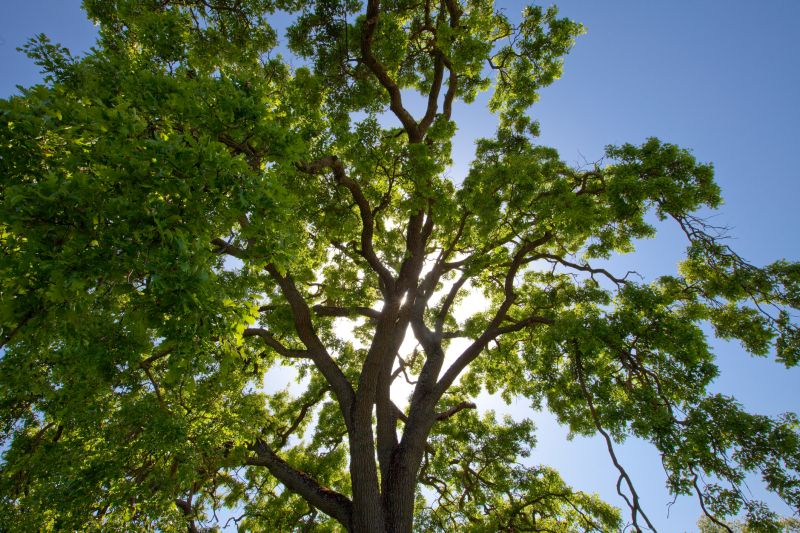
When comparing service providers for tree canopy thinning, it’s important to consider their experience with similar projects. Homeowners should inquire about how many times a contractor has completed tree thinning work and whether they have handled properties similar in size and type. A contractor’s familiarity with local tree species and environmental conditions can contribute to a more effective and safe thinning process. While the site introduces homeowners to local contractors, it’s advisable to seek out those who have a proven track record with projects like yours to ensure they understand the specific challenges and requirements involved.
Clear, written expectations are essential to a successful tree canopy thinning project. Homeowners should look for providers who can offer detailed descriptions of their services, including the scope of work, methods used, and any potential impacts on the landscape. Having a written outline helps prevent misunderstandings and ensures that both parties are aligned on the project goals. It’s also helpful to ask for a written estimate or proposal that summarizes the planned work, so expectations are transparent from the outset.
Reputable references and good communication are key indicators of a reliable service provider. Homeowners can ask contractors for references from previous clients who had similar work done and follow up to learn about their experiences. Good communication throughout the process-such as responsiveness to questions and clarity in explanations-can make the entire project smoother. While the site connects homeowners with local options, verifying a contractor’s reputation and their ability to communicate effectively can help ensure a positive experience with the tree thinning service.
Property owners use Tree Canopy Thinning services for practical projects around their homes and businesses. This guide focuses on everyday jobs and straightforward project options.
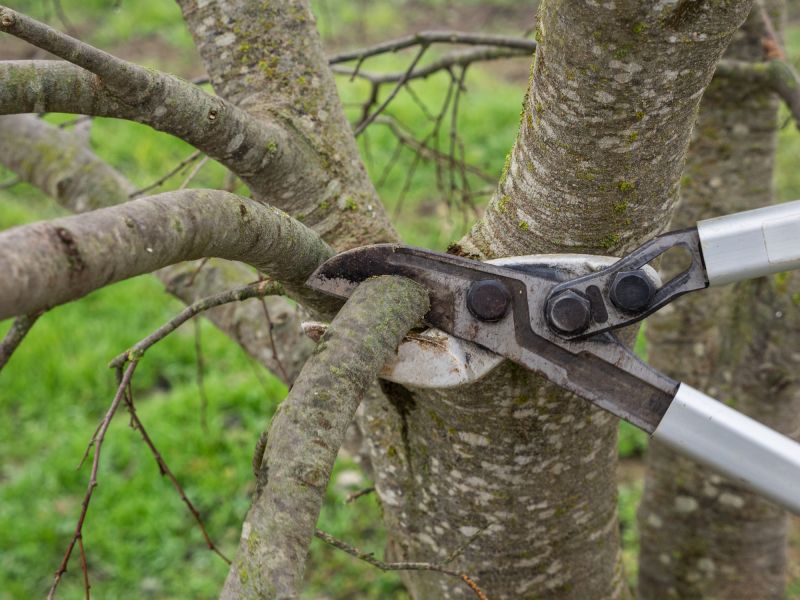
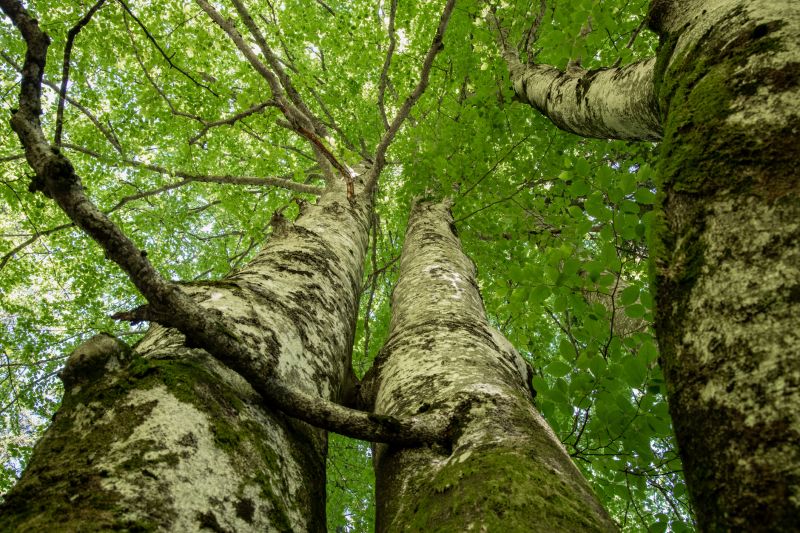
Tree canopy thinning services are often sought after when property owners notice overgrown or densely packed branches that obstruct sunlight or views. In some cases, trees may have become too thick, making them more susceptible to storm damage or disease. Local contractors can help manage these situations by carefully reducing excess branches, which can improve the overall health and appearance of the trees while reducing potential hazards around the property.
Homeowners may also look for canopy thinning to enhance landscape aesthetics or to create more open space in their yards. Overgrown trees can sometimes interfere with utility lines, structures, or outdoor activities. Local service providers are available to assess and perform thinning work that maintains the tree’s health and appearance, ensuring the property remains safe and visually appealing.
What is tree canopy thinning? Tree canopy thinning involves selectively removing branches to reduce the density of a tree's foliage, improving air circulation and light penetration.
Why might someone need tree canopy thinning services? Property owners may consider canopy thinning to promote healthier tree growth, reduce weight on branches, or improve the appearance of their landscape.
How do local contractors perform canopy thinning safely? Service providers use proper techniques to carefully prune branches, aiming to maintain the tree’s health and structure while achieving desired thinning effects.
What types of trees are suitable for canopy thinning? Many deciduous and certain evergreen trees can benefit from canopy thinning, depending on their species and condition, which local experts can assess.
How can I find local professionals for canopy thinning services? This website helps connect property owners with nearby contractors experienced in tree canopy thinning to handle the work professionally.
Tree Canopy Thinning for Sunlight Access - Property owners can improve sunlight penetration to lawns and gardens by having local contractors selectively thin tree canopies.
Enhancing View Preservation - Thinning services can help maintain clear sightlines from windows or outdoor living areas while keeping trees healthy.
Reducing Tree Density for Safety - thinning can decrease the risk of falling branches or trees during storms, making outdoor spaces safer.
Increasing Air Circulation Around Structures - Proper canopy thinning can improve airflow around buildings, helping to prevent moisture buildup and related issues.
If you are thinking about Tree Canopy Thinning for a property, this guide is meant to help you understand the work, the typical project types, and how different options might fit your plans.
When you are ready, you can use the quote form on this page to share a few details about your project. From there, local pros can review the basics and respond with options that match what you have in mind.