Get Tree Shaping Service
Tree Shaping Service providers help property owners with projects like tree pruning, shaping, and integrating trees into structures to improve safety and aesthetics.
Tree shaping services offer a practical way for property owners to enhance their outdoor spaces through innovative and functional design. Whether aiming to create natural structures, improve landscape aesthetics, or incorporate living elements into architectural features, many local contractors specialize in this unique craft. Exploring these options can help property owners find creative solutions that blend nature with design, all while ensuring the work aligns with their property's needs and style.
For those considering tree shaping projects, it’s helpful to compare local service providers who have experience in this specialized work. Understanding the range of services available can assist in planning a project that meets specific goals and preferences. Continuing to explore the options can lead to connections with contractors well-equipped to bring creative ideas to life, making it easier to find the right partner for your outdoor transformation.
- Tree Sculpting - when a property owner wants artistic shaping or pruning of trees for aesthetic enhancement.
- Living Fences - for creating natural, green boundaries that require shaping or training of trees and shrubs.
- Tree Integration - when incorporating trees into architectural or landscape designs through creative shaping techniques.
- Urban Tree Art - for city dwellers seeking innovative, sculptural tree forms to beautify public or private spaces.
- Functional Tree Structures - when shaping trees to serve practical purposes like supporting walkways or creating natural shade features.
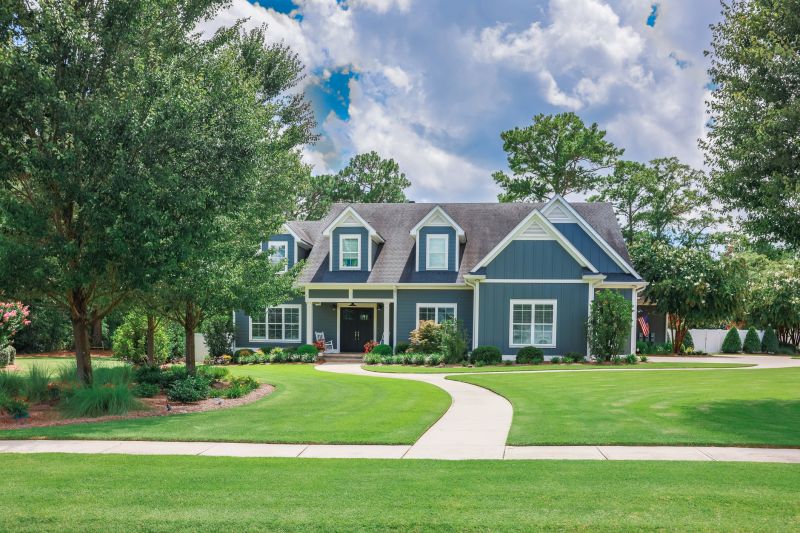
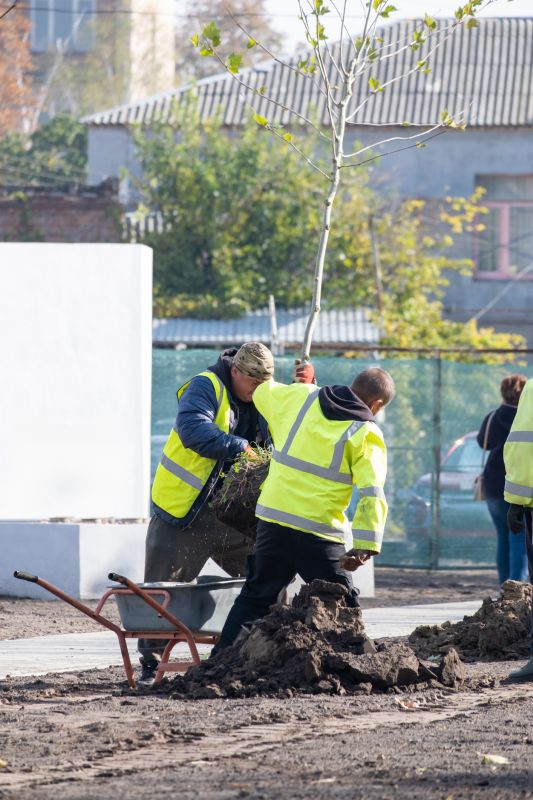
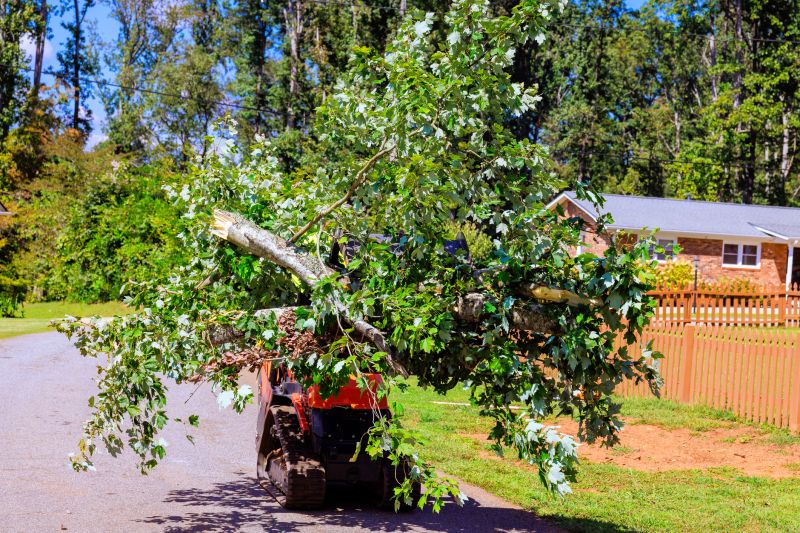
Tree shaping services involve the careful pruning, training, and guiding of trees and woody plants to achieve specific structural or aesthetic goals. This process often includes techniques such as espaliering, topiary, or bending branches to create living structures like arbors, fences, or decorative features. Skilled service providers work with homeowners to ensure that the shaping enhances the property's appearance while maintaining the health and stability of the trees. Properly shaped trees can add a unique visual appeal to a yard or garden, making outdoor spaces more inviting and distinctive.
These services can help address common issues such as overgrown or unruly branches that pose safety risks, interfere with utility lines, or obstruct views. Tree shaping can also resolve problems caused by damaged or misshapen trees that detract from the property's overall look. Additionally, shaping can be used to promote better growth habits, reduce the risk of falling limbs, and improve the longevity of the trees. By working with experienced contractors, homeowners can manage problematic trees effectively while also achieving a desired landscape design.
Property types that typically benefit from tree shaping services include residential yards, historic homes with ornamental trees, commercial properties seeking a polished appearance, and public parks or gardens. Homes with limited space often use shaping techniques to maximize their outdoor areas without sacrificing aesthetics. Commercial properties may utilize tree shaping to create attractive entryways or branded landscapes that stand out. Public spaces can also incorporate shaped trees as part of landscape architecture, providing both beauty and function for community use.
Homeowners who notice uneven growth, damaged branches, or safety concerns related to their trees might consider tree shaping services as a practical solution. Those looking to add decorative elements or improve the overall design of their landscape can also benefit from this work. Local contractors who specialize in tree shaping are equipped to assess the condition of existing trees, recommend appropriate techniques, and carry out the work safely and effectively. Contacting a professional can help ensure that the shaping enhances the property's appearance and maintains the health of the trees involved.
The overview below groups typical Tree Shaping Service projects into broad ranges so you can see how smaller, mid-sized, and larger jobs often compare in your area.
In many markets, a large share of routine jobs stays in the lower and middle ranges, while only a smaller percentage of projects moves into the highest bands when the work is more complex or site conditions are harder than average.
Smaller Tree Shaping Jobs - Many routine shaping projects cost between $250 and $600. These typically involve minor pruning or shaping of small trees or shrubs. Most projects fall within this range, though larger or more intricate work can cost more.
Medium-Scale Tree Shaping - Moderate projects, such as shaping larger trees or creating specific forms, generally range from $600 to $2,000. These jobs are common for homeowners seeking aesthetic enhancements or structural adjustments. Larger, more detailed projects may exceed this range.
Large or Complex Tree Shaping - Extensive shaping involving mature trees or intricate designs can range from $2,000 to $5,000 or more. These projects are less frequent and often require specialized skills and multiple visits by local contractors.
Full Tree Transformation or Rejuvenation - Complete reshaping or significant tree modifications can cost $5,000+ depending on size and complexity. Such projects are relatively rare and typically involve detailed planning and multiple sessions by experienced service providers.
Actual totals will depend on details like access to the work area, the scope of the project, and the materials selected, so use these as general starting points rather than exact figures.
Living Fence Construction - local contractors skilled in shaping living plants into functional fences and boundaries, similar to the techniques used in tree shaping.
Garden Arbor Design - professionals who craft custom garden structures using plant materials, requiring planning and shaping skills comparable to tree shaping projects.
Bonsai and Topiary Art - specialists who prune and train plants into artistic forms, sharing planning and detailed trimming skills with tree shaping services.
Woodland Pathway Creation - service providers who design natural-looking pathways integrated with living plants, involving planning and plant manipulation similar to tree shaping.
Living Sculpture Projects - local artisans who create artistic plant installations, utilizing shaping and planning techniques akin to those in tree shaping services.
Structural Plant Training - experts who train vines and climbing plants into specific shapes and structures, requiring skills related to planning and plant manipulation similar to tree shaping.
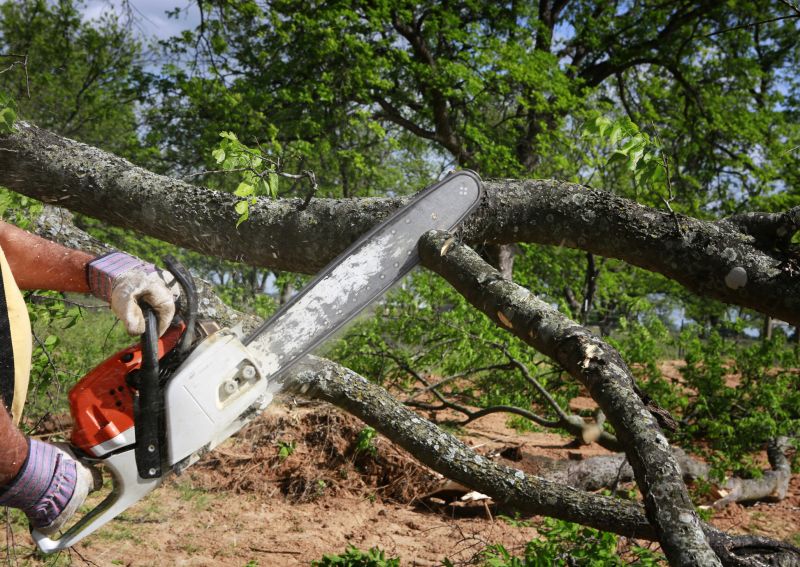
When comparing service providers for tree shaping projects, it’s important to evaluate their experience with similar types of work. Homeowners should inquire about the number of years a local contractor has been performing tree shaping services and whether they have handled projects comparable in size and complexity. An experienced professional is more likely to understand the nuances of different tree species and shaping techniques, ensuring the work is done safely and effectively. Taking the time to review a contractor’s background in similar projects can help establish confidence in their ability to meet specific needs.
Clear, written expectations are essential when selecting a tree shaping service provider. Homeowners should seek detailed descriptions of the scope of work, including what is included and what is not, to avoid misunderstandings. Reputable service providers often provide written estimates or project outlines that outline the process, materials, and any other relevant details. Having these expectations documented ensures that both parties are aligned and can serve as a reference throughout the project, helping to prevent surprises or disagreements later on.
Reputation and communication are key factors when choosing between local contractors. Homeowners are encouraged to look for references or reviews from previous clients who had similar work done. Good communication skills from the service provider-such as responsiveness, clarity, and willingness to answer questions-are also indicators of professionalism. Reliable local pros should be approachable and transparent, making it easier to discuss project specifics and address concerns. Remember, this site introduces homeowners to local options for tree shaping services, but the actual work is performed by qualified service providers, not the platform itself.
Property owners use Tree Shaping Service services for practical projects around their homes and businesses. This guide focuses on everyday jobs and straightforward project options.
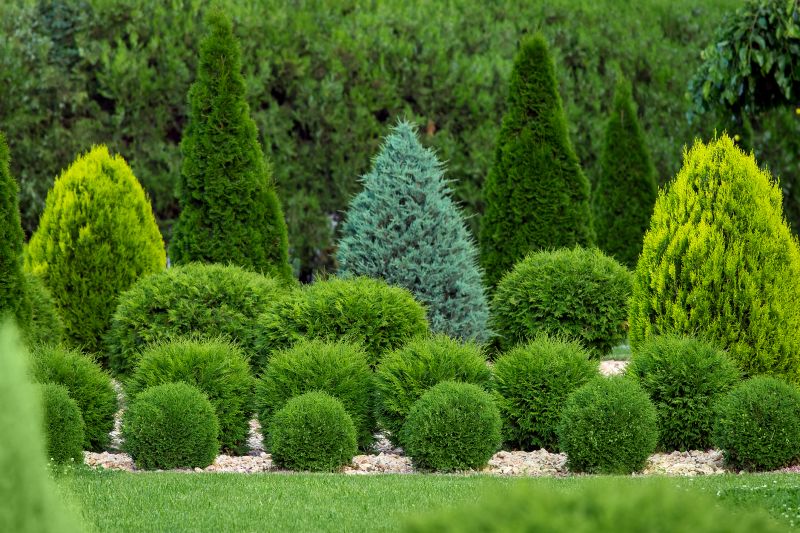
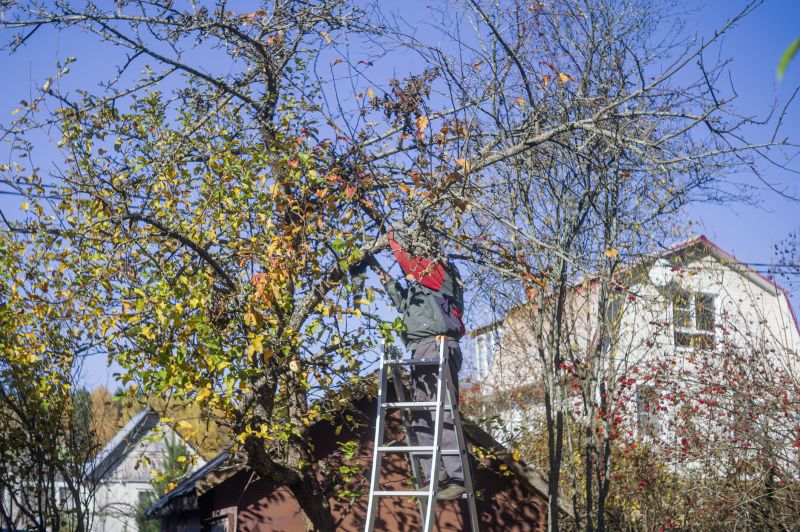
Tree shaping services are often sought after by property owners dealing with overgrown or unsightly trees that may be affecting the appearance or safety of their outdoor space. Whether there’s a need to prune or reshape a tree to improve curb appeal, prevent potential damage, or create a more functional yard, local contractors can provide expert assistance to achieve these goals. These professionals can help address common issues such as branches blocking views, interfering with power lines, or creating hazards during storms, ensuring the property remains safe and visually appealing.
In addition, property owners might look for tree shaping services when preparing for special events, renovations, or simply wanting to enhance their landscape design. Local service providers can help craft or maintain trees in a way that complements the overall aesthetic of the property. By working with experienced contractors, property owners can maintain healthy, attractive trees while achieving the desired shape or structure that fits their outdoor environment.
What is tree shaping service? Tree shaping service involves trained contractors sculpting and training trees into specific forms or structures for aesthetic or functional purposes.
How can tree shaping improve my property? Tree shaping can enhance the visual appeal of outdoor spaces, create natural structures like seating or arches, and add unique character to a landscape.
Are tree shaping services suitable for all types of trees? Many types of trees can be shaped, but the suitability depends on the species, age, and health of the tree. Local service providers can assess which options are best.
What types of structures can be created through tree shaping? Common structures include arches, furniture, sculptures, and decorative features integrated into the landscape design.
How do local contractors ensure the health of the trees during shaping? Professional tree shaping specialists use techniques that minimize stress on the tree, focusing on proper training methods that support long-term health.
Garden Design Integration - Incorporate tree shaping into landscape plans to create functional structures like benches or archways for aesthetic and practical purposes.
Privacy Enhancement - Use tree shaping services to craft natural screens or barriers that add privacy to outdoor living areas.
Space Optimization - Transform underused trees into useful features such as shaded sitting areas or decorative focal points.
Sustainable Landscaping - Enhance the character of outdoor spaces with uniquely shaped trees that complement existing garden elements.
If you are thinking about Tree Shaping Service for a property, this guide is meant to help you understand the work, the typical project types, and how different options might fit your plans.
When you are ready, you can use the quote form on this page to share a few details about your project. From there, local pros can review the basics and respond with options that match what you have in mind.